Stop Hitting Snooze: Get Up on the First Alarm
Prepare tonight, get up on the first alarm tomorrow: four simple steps that make it easier to stop hitting snooze.

To stop hitting snooze, start the night before: you lock in four things: a wake-up time, one alarm, a spot for your phone far from the bed and one small reason to get up. Then you get up on the first alarm, no snooze button needed, because the plan is already made.
You’re not lazy. If you watch videos until after midnight, you’ve often had too little sleep for an early alarm, and then the first alarm feels unfair.
At a glance
- Sleep needed
- 7+ hrs
- Grogginess
- 15–30 min
- New habit
- about 2 months
- Outdoor light
- 30 min
Why do I keep hitting snooze?
You know the evening: “One more video.” It keeps playing on its own, the group chat is about nothing and everything, and suddenly it’s past midnight.
Then the alarm rings, and your brain makes an offer: five more minutes. Your thumb swats the alarm away before you’re properly awake. That sounds reasonable, because adults usually need 7 hours of sleep or more.
The glow of the screen plays a smaller role than often claimed. The real thief is time. A night mode makes the screen gentler, but not the evening shorter.
Wakea – Wake Up Alarm Clock
Alarm clock for heavy sleepers. Wake-up missions to stop snoozing and get up.


3-day free trial
Stop hitting snooze: tonight
You don’t have to go to bed earlier, you just have to decide when the phone goes away. Four steps are enough:
- Set a wake-up time. Pick one that’s realistic on five out of seven days, not your dream time. If you like, count backward: wake-up time, at least 7 hours of sleep and the time it takes you to fall asleep. That gives you the time your phone should be put away.
- Put your phone out of reach. On its charger across the room, not in bed. A break of half an hour to an hour before sleep does many people good. Set a timer for it: when it rings, the phone goes on the charger, no matter where the episode is.
- Set one alarm, not five. If you set five, you’re building snoozing into the plan. A single alarm makes the first one the real one.
- Find one small reason. Write yourself an if-then sentence: “When the alarm rings, I get up and make coffee.” Pick something you look forward to.
If the evening is your only free time, give yourself that time earlier on purpose, instead of stealing it after midnight.
In the evening, you decide who’s in charge tomorrow morning.
Tomorrow morning: the first alarm
When the alarm rings, it’s only about the first step. Make it the same every time and as small as possible: feet on the floor. The first minutes are the worst moment to negotiate, so don’t negotiate, just go.
The first minutes often feel sluggish, and that’s normal. It usually passes after 15–30 minutes; after a short night it can take longer.
Because your phone is far away, you’re already on your feet when you turn off the alarm. Feet on the floor first, messages later. Next, let in some light: open the curtains, go to the window, and in winter, turn on a lamp for now. Many people feel more awake with daylight, and half an hour outside before noon is a good plan.
Wakea – Wake Up Alarm Clock
Alarm clock for heavy sleepers. Wake-up missions to stop snoozing and get up.
3-day free trial
Staying on track after slip-ups
Expect weeks, not days. In one small study it took a little over two months on average for something new to become a habit, and it was different for everyone. Several missed mornings in a row make it harder, a single one doesn’t.
In your streak only a confirmed morning counts, but one slip doesn’t ruin your habit. Pick it up the next day with the smallest step. Shift your wake-up time only slightly on weekends, and if you’re a night owl, move it earlier in steps of 15 minutes.
Wakea – Wake Up Alarm Clock
Alarm clock for heavy sleepers. Wake-up missions to stop snoozing and get up.
3-day free trial
What the morning gives you
Getting up on the first alarm puts the first small win of the day in your pocket. You have time for a calm coffee, instead of rushing around the apartment with a toothbrush in your mouth.
A few squats are a small start to moving, and movement counts, even when it’s short. With every morning you notice: I do what I plan the evening before. That feels good.
Frequently asked questions
How do I stop hitting snooze?
Set a wake-up time the night before, put your phone far from the bed and use just one alarm. Add one small reason that pulls you out of bed. It’s mostly a question of the plan, not willpower.
Is there an alarm clock with no snooze button?
Yes. On the iPhone you can turn off snooze for each alarm; on Android it depends on the alarm app. Wakea has no snooze button at all: the alarm only stops once the mission is done.
Is there an alarm clock you have to get out of bed for?
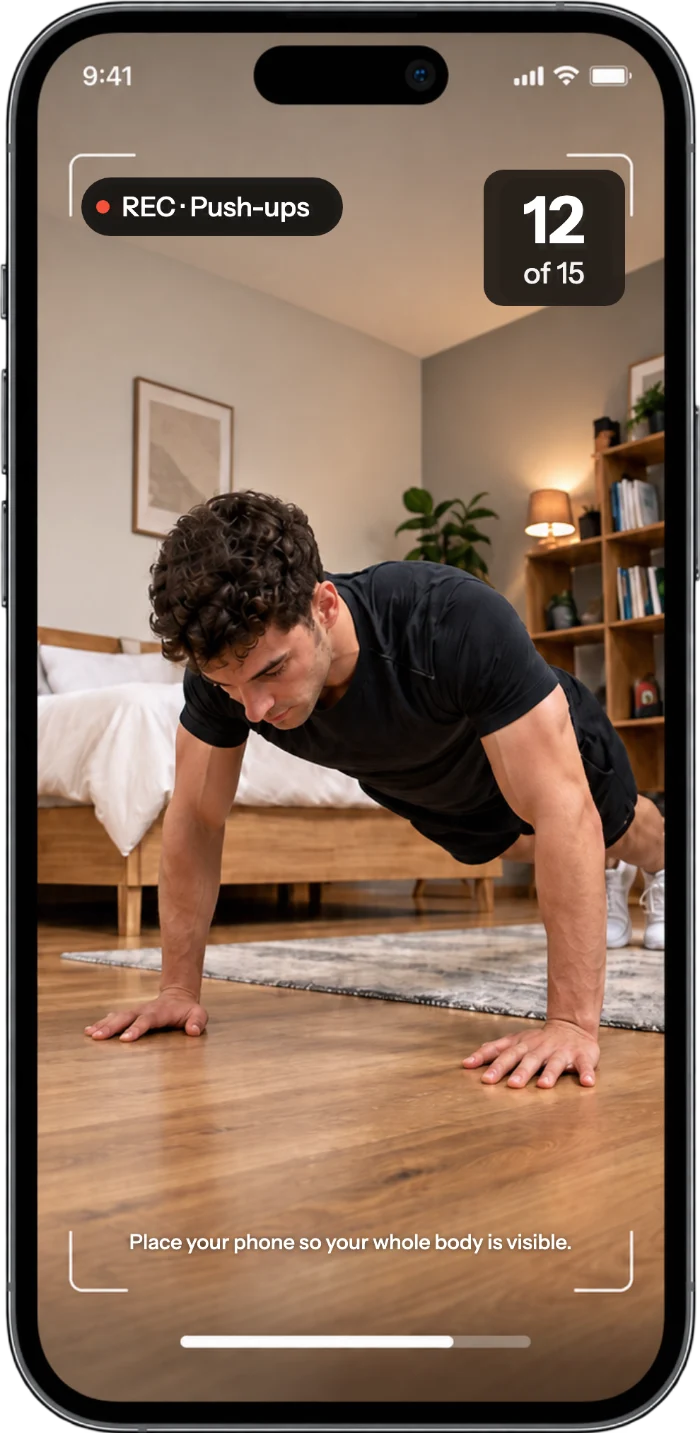
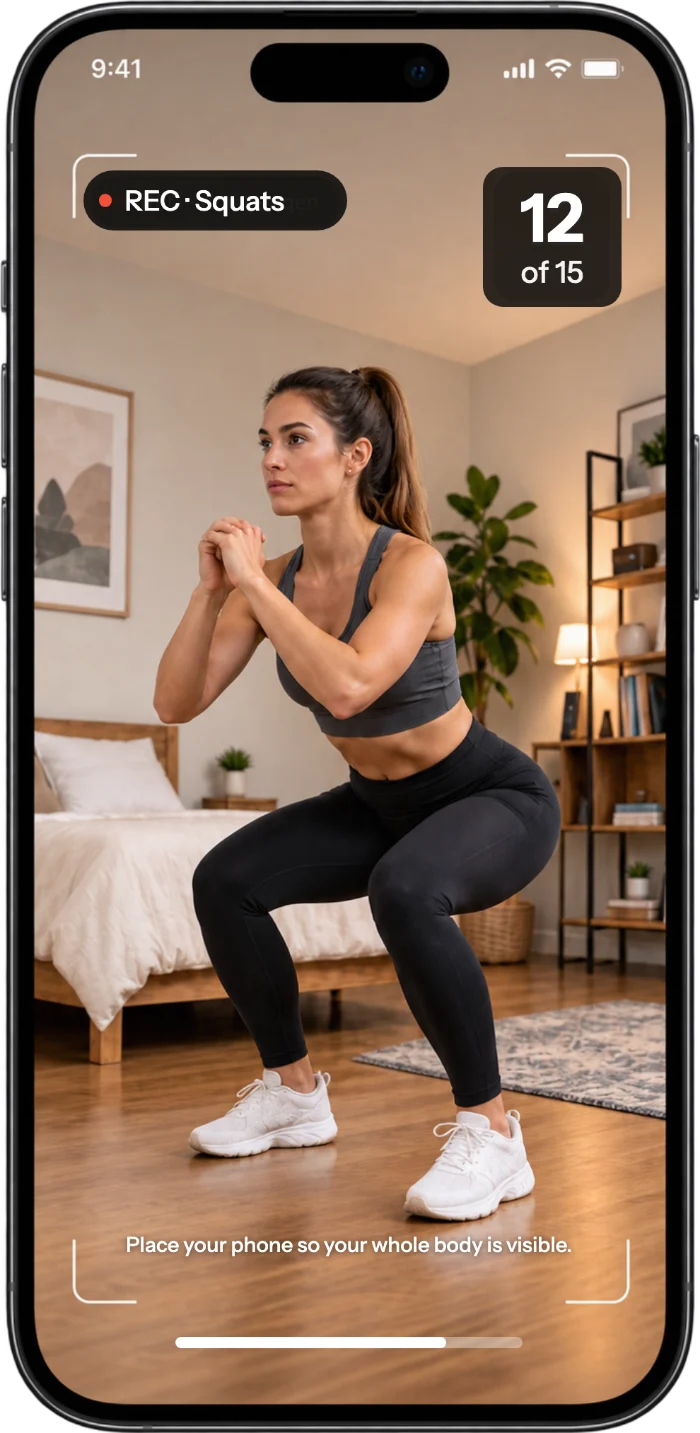
With Wakea, only the mission stops the alarm: squats, push-ups or making your bed, checked by the camera on the device. You choose the difficulty for each alarm.
What if I can’t get to bed earlier in the evening?
Start with the phone, not the bed. Set a cutoff time for your phone and move your wake-up time earlier in steps of 15 minutes. That way the evening gets shorter bit by bit, without forcing yourself.
Where should I put my phone so I have to get up?
On its charger across the room, or better yet in another room like the kitchen or hallway, just not in bed. Set the volume so you can hear the alarm. With Wakea, the alarm also needs permission for notifications, otherwise it won’t ring.
Are several alarms better than one?
Usually not. If you set several, you build snoozing into the plan. One alarm, one time: that way the first one is the real one.
How long does it take to stop snoozing?
Expect weeks: in one small study it took a little over two months on average, and it was different for everyone. One missed morning won’t set you back, several in a row make it harder.