Tired after daylight savings ends Nov. 1? What helps
Tired after daylight savings ends? Why an extra hour of sleep wears you out on November 1 — and what helps before and after.
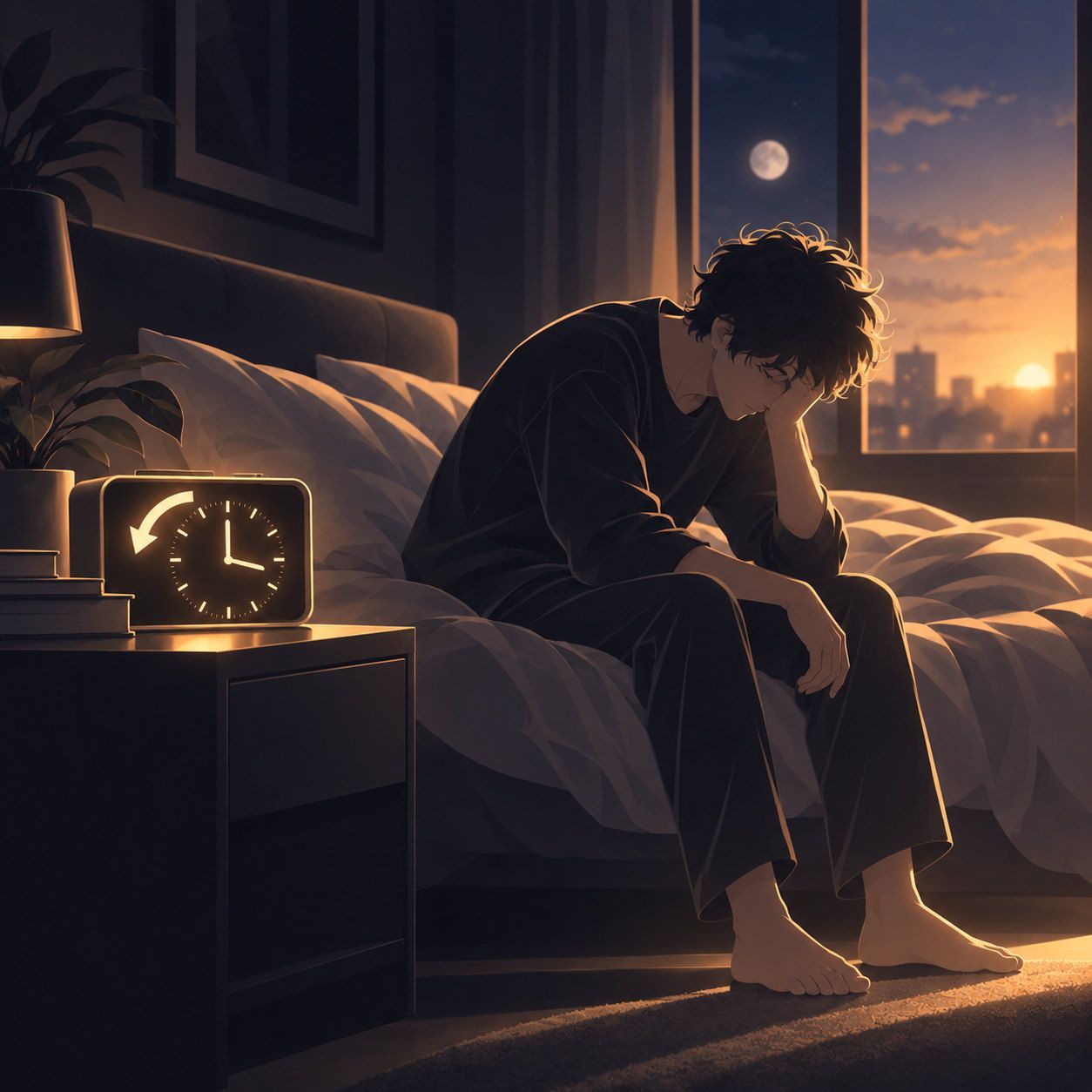
Tired after daylight savings ends? Overnight on Saturday, October 31, into Sunday, November 1, 2026, the clocks go back: at 2 a.m. it becomes 1 a.m. again, and standard time begins. The night is 25 hours long, so you get to sleep an hour longer. Daylight saving time hasn't been abolished, and the reason it lands on Halloween night is the calendar: November 1 is the earliest the first Sunday in November can fall.
Your body usually turns the gift down, though. Plenty of people end up tired afterward and still wake up an hour too early. Three things help: keep your wake-up time, get moving right after the alarm, get outside in the late afternoon. Everything else here is the how-to.
At a glance
- Time change
- Sun, Nov 1, 2026
- Clocks
- back: 2 to 1
- Adjusting
- 1 day–2 weeks
- Had symptoms
- 30% (Germany)
Clocks go back on November 1
The November time change means the clocks go back, not forward. At 2 a.m. daylight saving time it's 1 a.m. again — so the hour between 1 and 2 a.m. happens twice that night. The old rule of thumb still works: spring forward, fall back.
Your phone and computer usually handle it themselves. The clocks in the kitchen, the car and on the microwave don't, so Saturday evening is the time for those. An alarm set between 1 and 2 a.m. sits in the hour that happens twice — that night, put it before or after. And if you're in most of Arizona, Hawaii or a US territory, none of this applies — those clocks never change.
What you go back to is standard time, the baseline: Eastern Standard Time, Central Standard Time and so on. Daylight saving time is the exception. Sleep researchers in the US and in Europe consider permanent standard time the healthier long-term answer.
An extra hour of sleep?
Do we sleep more or less? More. In November the clocks go back and the night into Sunday runs an hour longer; in March an hour goes missing instead. The extra hour of sleep is the fall one.
It sits on the clock, though, not in your body. Your internal clock runs on light and habit, not on the numbers on a screen. After the change it runs an hour ahead of the wall clock: 10 p.m. feels like 11 p.m., and at 6 a.m. your body is already awake, running on 7 a.m. time.
That's why the usual experience after falling back isn't sleeping in, it's waking up too early. If the snooze button is normally your only way into the day, it hits you twice: awake early and still not rested. The good news: falling back is the easier of the two changes — your rhythm settles faster than it does in spring.
Wakea – Wake Up Alarm Clock
Alarm clock for heavy sleepers. Wake-up missions to stop snoozing and get up.


3-day free trial
Why you're tired after daylight savings
Tiredness is the most common complaint after the time change — in one large survey in Germany, about one in three people said they had felt it at least once, with sleep problems next in line.
Behind it is a mini case of jet lag: the clock jumps in a second, your sleep rhythm needs days. How many days varies a lot: some people are back in sync after a day or two, others need up to two weeks. The steadier your wake-up time and the more daylight you get, the shorter it is.
Then there's fall itself. Evenings turn dark about an hour earlier: in New York the sun is gone by 4:52 p.m. on November 1. What feels like fall fatigue is usually less light, not the time change.
Mornings work the other way around: in New York the sun comes up at 6:28 a.m. on Monday instead of 7:28 a.m. If you get up at 7 a.m., you start the day in daylight for weeks — sunrise doesn't slip back past 7 a.m. until the very end of November. At 6:30 a.m. you catch the sunrise for the first few days; after that it's dawn light.
Waking up early after the time change
Awake too early after the time change: you're lying there at 5 a.m. and the alarm isn't set until 6:30. That's the classic scene, especially if you're more of an early bird — naturally tired early and awake early. Three things help.
- Stay in bed, but keep the screen off. Not because of the light, a display is weak next to daylight, but because the phone wakes you up and your bed learns that this is a place for lying awake.
- Don't get up earlier just because you're awake. Your wake-up time is the anchor for the whole week.
- Keep the bedroom dark until it's time. A blackout shade or a sleep mask is enough.
If after about 15 minutes you can tell you're not falling back asleep, get up: do something quiet in another room with the lights low, and go back to bed when your eyes get heavy.
And if Sunday is your one day to sleep in, a rule of thumb helps: half an hour longer at most. That keeps your wake-up time an anchor.
The hour is there on the clock. Whether it does anything for you is up to your wake-up time.
Your wake-up time is the anchor
Do you have to get up earlier or later after the time change? Neither. You get up at your usual time; the clock is simply showing the new one.
This fixed wake-up time is what helps most reliably. The CDC's sleep guidance says exactly that: go to bed and get up at about the same time every day, days off included. That's where the time-change weekend trips up most people — a long Sunday morning in bed, no tiredness Sunday night, a wrecked Monday.
And if you set four alarms at night: cut them down to one. A single alarm that actually counts makes the morning decision easier than four you can negotiate with.
When you sleep through the alarm
The other case is the opposite: you hear the alarm, swipe it away half asleep and wake up an hour later. After falling back you get tired earlier in the evening rather than later — so oversleeping usually isn't the time change, it's too little sleep plus the habit of swiping away the first alarm. Three things help.
- Put your phone across the room, on the charger. You have to be on your feet to turn it off.
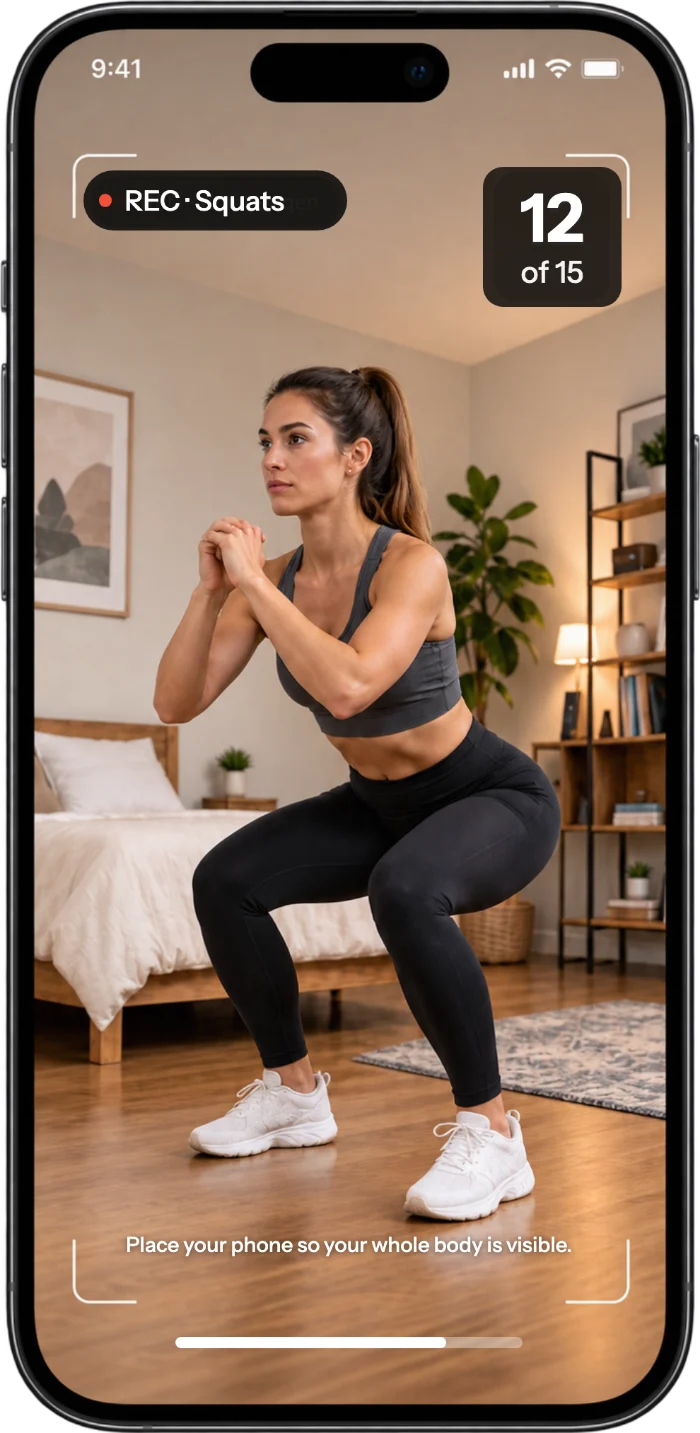
- Move right away, not after the first look at the screen: ten squats, five push-ups, against the wall if that's what it takes. That's it.
- Tie the alarm to something that gets you upright: open a window, and into the clothes you laid out the night before.
If you regularly sleep through several alarms and never feel rested even after seven hours, sleep quality may be the reason. Bring it up with your doctor, especially if you snore loudly or you've noticed pauses in your breathing.
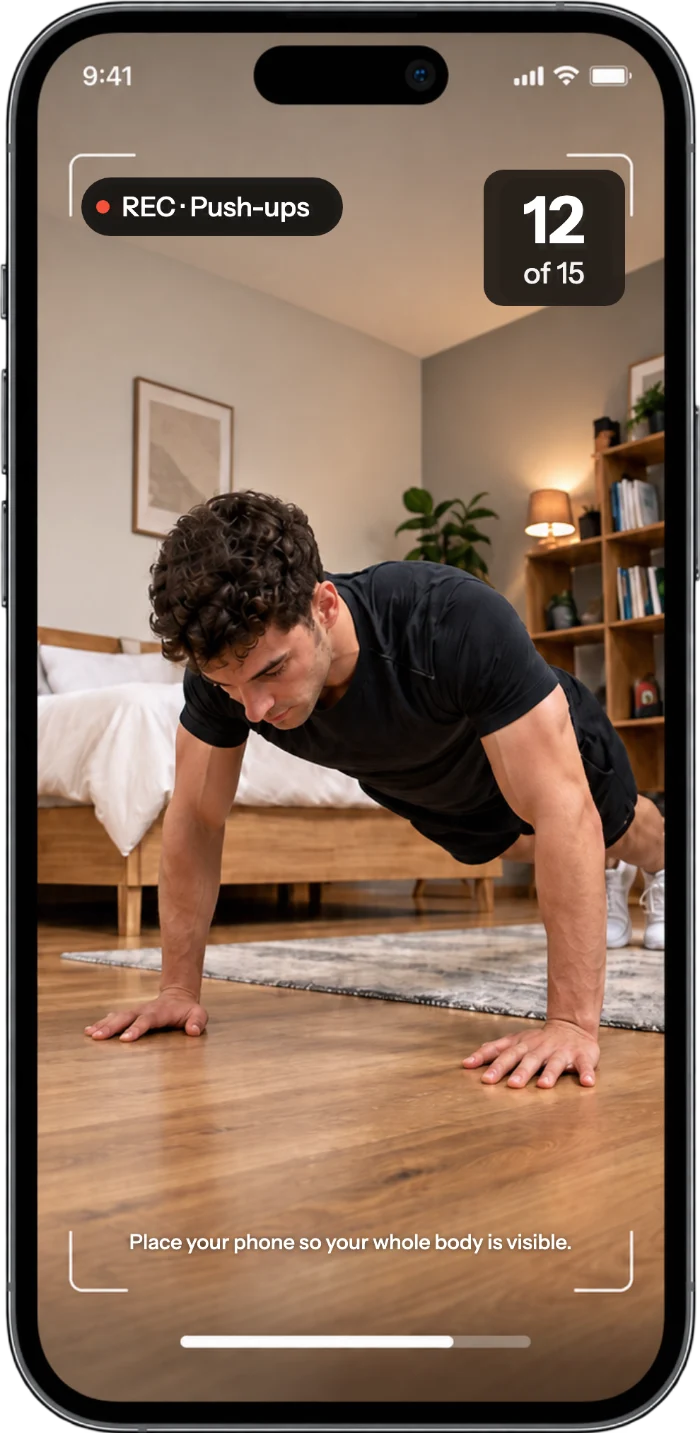
And if getting up is up for negotiation every single morning: that's exactly what Wakea is built for. The alarm stops once the mission is done — squats, push-ups or a made bed.
The evenings before November 1
You can prepare over three evenings, Thursday through Saturday: each night go to bed about 15 minutes later — and get up the same 15 minutes later, so you don't lose any sleep. If the mornings don't allow that, skip the shifting altogether and simply take the long night. Three 15-minute shifts don't add up to a full hour anyway; the night takes care of the rest.
A quick example: say you want to get up at 6:30 a.m. on Sunday. If you're in bed around 11 p.m. Saturday, old time, the extra hour makes that about eight and a half hours until the alarm. Most adults do well on 7–9 hours.
Shift dinner and your workout along a little, but not a hard workout right before bed: in the afternoon it helps you fall asleep, right beforehand it can keep you up. And if you're chronically short on sleep anyway, skip the shifting: take the hour and keep it, earlier to bed from now on, wake-up time unchanged.
Wakea – Wake Up Alarm Clock
Alarm clock for heavy sleepers. Wake-up missions to stop snoozing and get up.
3-day free trial
What a few quick reps do
A few reps don't make up for a time change; they do something else. People who move regularly feel less tired and more energetic on average. That holds up across many studies, and any amount of movement counts.
The timing fits: habits take hold in the morning more easily than in the evening. It takes more like two months than three weeks, and one skipped day doesn't set you back.
Sunday and the days after
The tips that matter most for standard time fit into a short routine that runs the same every morning. On Sunday you get up at your usual time, even if it feels like 5 a.m.
- Out of bed, lights on, shades up, get moving. Morning light wakes you up, but it also pushes your internal clock further forward: use it to get going, not as a cure for waking up too early.
- Breakfast and something to drink, at the same time every day if you can.
- Late-afternoon light helps your internal clock slide back again. Trouble is, there's barely any daylight left in early November — the sun is gone by 4:52 p.m. So take what you can get: lunch outside, get off a stop early, desk by the window. The more reliable lever is still your fixed wake-up time.
- If the afternoon flattens you: a nap of 20 minutes at most, early in the afternoon. Longer leaves you groggy and takes the sleep pressure out of your evening.
Better to have your last coffee six hours before bed, earlier if caffeine hits you hard. On the night of the change, best to skip alcohol altogether, otherwise leave at least three hours. Keep this up for two weeks, weekends included.
Your Monday isn't decided by the clock. It's decided by the first few minutes after the alarm.
Dark commute, drowsy driving
From Monday on, the ride home is in the dark — and that's where the documented danger of this weekend sits. That danger doesn't hit you behind the wheel; it hits everyone on foot or on a bike: after the clocks go back, fatal crashes among pedestrians and cyclists rise sharply, while among drivers they actually go down. Stay extra alert on the road in the evenings for the first few weeks. On top of that comes tiredness. The warning signs: burning eyes, frequent yawning, chills, your lane gets harder to hold, you can't remember the last few miles.
Then only one thing counts: pull over and sleep for 15 to 20 minutes. A coffee beforehand is a good idea, it kicks in after about half an hour. Loud music, an open window or coffee without the break are proven not to help. And after a night shift that runs an hour longer this time, don't drive yourself if your eyes are closing.
Wakea – Wake Up Alarm Clock
Alarm clock for heavy sleepers. Wake-up missions to stop snoozing and get up.
3-day free trial
When it doesn't go as planned
Not every morning goes as planned. The short answers for the usual cases:
- You're not getting tired in the evening: after falling back that's unusual — something else is usually behind it, like a nap that ran long, caffeine in the evening or a wake-up time that has slipped. Get light right after you get up, hold your wake-up time and don't stay up later.
- Your child is suddenly awake at 5 a.m.: keep the room properly dark, no hallway light. Move wake-up, meal and bedtimes in 15-minute steps over three to four days instead of all at once, and get outside or turn the lights on before breakfast.
- You take medication at fixed times: from Sunday on, go by the new clock. If the timing has to be exact, with insulin, birth control, thyroid or epilepsy medication, ask your pharmacist or your doctor.
- You're thinking about melatonin: you don't need it for falling back, the night gets longer and not shorter. Melatonin and sleep aids aren't a do-it-yourself decision, talk them through with a doctor.
- You work shifts: one fixed wake-up time for every day doesn't fit. Use a fixed wake-up time per shift type, and always the same routine after it.
The change itself doesn't need more than that. And if nothing is better after two weeks, it isn't the time change anymore — then your sleep is worth a closer look, at your doctor's office if you're unsure.
Frequently asked questions
Do you sleep more or less when daylight savings ends?
More. Overnight from October 31 to November 1 the clocks go back from 2 a.m. to 1 a.m., so the night is 25 hours long. In March an hour goes missing instead. Whether you actually sleep that hour is another question: plenty of people wake up on the old schedule anyway.
Do the clocks go forward or back in November?
Back. At 2 a.m. daylight saving time the clocks jump to 1 a.m. standard time, and standard time runs from then on. The hour between 1 and 2 a.m. happens twice. Phones usually change themselves; the clocks in the kitchen, the car and on the microwave don't.
Why am I so tired after daylight savings ends?
Because your internal clock doesn't jump along: after the clocks go back it runs an hour ahead. So you get tired earlier in the evening than the clock suggests, and in the morning you're awake too early — your sleep gets nibbled at both ends. On top of that, evenings turn dark much earlier.
How long does it take to adjust to the time change?
It varies a lot: some people are back in sync after a day or two, others need up to two weeks. Falling back counts as the easier of the two changes. The steadier your wake-up time and the more daylight you get, the faster it goes.
Why do I wake up too early after the time change?
Because your body is still ticking on the old time: when the clock says 6 a.m., your internal clock is already at 7. Early birds feel this most. Stay in bed, keep the screen off, keep the room dark and get up at your usual time. Late-afternoon light helps as well, though by early November there's barely any of it left.
Is the time change bad for your health?
For the fall change there's no documented rise in heart attacks, and fatal crashes among drivers don't increase — the known heart risks belong to the spring change. One danger does shift, though: the evening commute is now in the dark, and fatal crashes among pedestrians and cyclists rise sharply after the clocks go back. So lights on your bike, bright clothes, and stay alert on the road in the evening. If tiredness or sleep problems last longer, that belongs with a doctor.